Category: Blog

Your blog category

  • Budget-Friendly Materials for Building a Science Fair Board

    Budget-Friendly Materials for Building a Science Fair Board

    Budget-Friendly Materials for Building a Science Fair Board

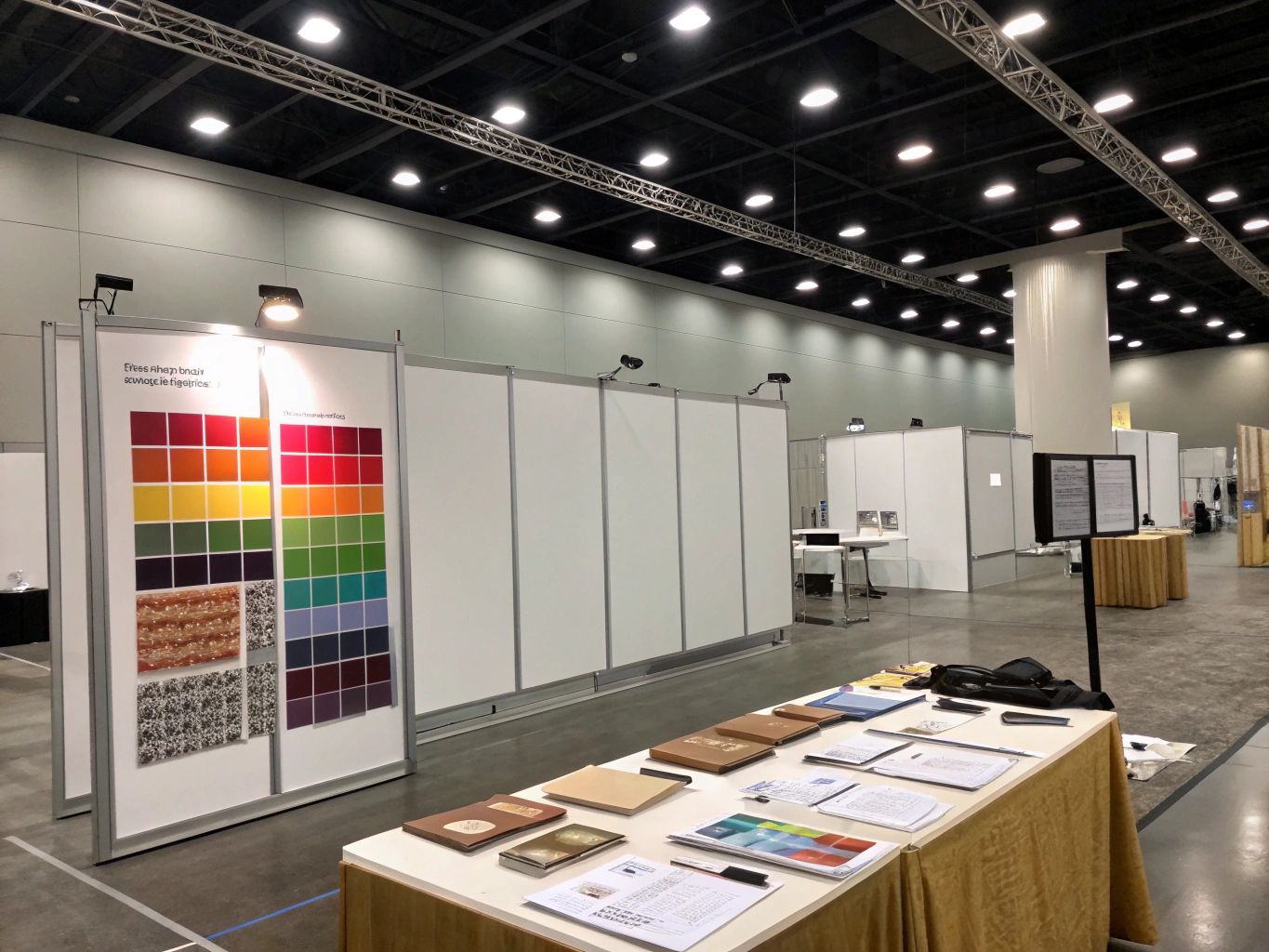
    Building an impressive science fair board doesn’t have to break the bank. Whether you’re a student preparing for your first competition or a parent helping your child, selecting cost-effective materials can make the process affordable and stress-free. To get you started, check out this step-by-step example of science fair board from Iconic Displays that showcases practical ways to design an effective display while keeping expenses low.

    Choosing the Right Base Material

    The foundation of any science fair board is its base. Opting for budget-friendly materials that offer durability and ease of use is essential.

    Corrugated Cardboard

    Corrugated cardboard is one of the most economical and accessible options. It’s lightweight, easy to cut, and widely available in various sizes. You can often find large sheets at local stores or repurpose shipping boxes. To reinforce the board, layer two or three sheets together with glue or tape.

    Foam Core Boards

    While a bit pricier than cardboard, foam core boards provide a smooth surface that’s excellent for mounting printed materials and photographs. Look for sales or smaller sizes to stay within budget. Sometimes, craft stores offer discounts or bulk deals that make foam core affordable.

    Poster Boards

    Poster boards are another budget-friendly choice. They come in various colors and sizes, making them ideal for adding visual interest without additional decoration. Although not as sturdy as foam core, poster boards can be doubled up or backed with cardboard for extra support.

    Affordable Decorative and Functional Materials

    Beyond the base, the way you present your information can make a significant impact. Here are some inexpensive materials to dress up your board and keep it organized.

    Construction Paper

    Construction paper is a low-cost option for creating borders, titles, and section dividers. Available in many colors, it can add vibrancy and help segment your board clearly. Cut it into strips or shapes for a neat, polished look.

    Printable Labels and Templates

    Instead of handwriting all text, consider using printable labels or templates. You can design these at home using free software and print them on regular or adhesive paper. This approach saves time and creates a professional appearance without extra cost.

    Clear Tape and Glue Sticks

    Simple adhesives like clear tape and glue sticks are essential and inexpensive. They work well for attaching photos, charts, and text sheets securely without adding bulk or weight.

    Tips for Maximizing Your Budget

    To get the most out of your materials and keep costs down, consider the following tips:

    • Reuse and Recycle: Look around your home for materials like old cardboard boxes, leftover craft supplies, or scrap paper.
    • Shop Smart: Visit dollar stores, craft outlets, or clearance sections for discounted supplies.
    • Plan Ahead: Sketch your board layout before purchasing materials to avoid buying unnecessary items.
    • Focus on Presentation: A tidy, well-organized board often impresses judges more than expensive decorations.

    Building a science fair board on a budget is entirely achievable with the right materials and planning. For those needing guidance, the step-by-step example of science fair board from Iconic Displays is a fantastic resource that combines creativity with practicality. By leveraging affordable supplies and thoughtful design, your science project will stand out without straining your wallet.

  • Elegant Pens for Her: Perfect Writing Gifts to Inspire Creativity

    Discover the Perfect Pens for Her: Elevate Her Writing Experience

    Finding the ideal pens for her can transform everyday writing into a delightful and inspiring experience. Whether she’s jotting down thoughts, creating art, or signing important documents, the right pen adds a touch of elegance and personal flair. With countless options available, selecting a pen that aligns with her personality, style, and needs is essential for making her feel special and appreciated.

    Why Choosing the Right Pen Matters

    While a pen might seem like a simple tool, it holds significant importance in daily life. A well-chosen pen can enhance the writing experience, boost confidence, and even serve as a thoughtful gift. For women who value aesthetics and functionality, the perfect pen combines beauty with performance, making every word she writes feel meaningful. From luxurious designs to practical features, the right pen can become her favorite writing companion.

    Types of Pens That Suit Her Style

    Elegant Fountain Pens

    For women who appreciate classic sophistication, fountain pens are an exceptional choice. They offer smooth ink flow and a refined look, elevating any writing task. Many come with beautifully crafted barrels and intricate designs, making them not just a writing instrument but a statement piece. Fountain pens also provide a personalized experience, with options to customize nibs and ink colors, allowing her to express her unique style.

    Stylish Gel and Rollerball Pens

    If she prefers a modern, sleek look with effortless gliding ink, gel and rollerball pens are ideal. These pens deliver vibrant, consistent ink flow and are perfect for everyday use, whether she’s taking notes at work or journaling at home. Their smooth writing experience reduces fatigue and makes writing a pleasure, all while maintaining a chic appearance.

    Luxury Ballpoint Pens

    Ballpoint pens are timeless and practical, especially for those who value durability and ease of use. High-end ballpoints often feature premium materials, such as gold or platinum accents, and ergonomic designs for comfortable handling. They make excellent gifts for professionals or anyone who appreciates a combination of style and function.

    Features to Consider When Choosing a Pen for Her

    Design and Aesthetics

    Look for pens that reflect her personal style—be it minimalist, ornate, vintage, or contemporary. Unique details like engraved initials, decorative patterns, or luxurious finishes can make the pen feel even more special.

    Comfort and Grip

    Since she might spend long hours writing or sketching, comfort is key. Ergonomic designs with cushioned grips or balanced weight distribution help reduce hand fatigue and make writing more enjoyable.

    Ink Quality and Color Options

    High-quality ink ensures smooth, consistent lines and prevents smudging. Consider pens that offer a variety of ink colors, allowing her to personalize her writing or artwork.

    Refillability and Maintenance

    Eco-friendly and economical, refillable pens are a practical choice. They reduce waste and often come with a range of ink refills, giving her flexibility and convenience.

    Personalized and Gift-Worthy Pen Ideas

    Gifting a beautiful pen can be a meaningful gesture. Personalization options, like engraved names or special messages, add sentimental value. Consider pairing a stylish pen with a luxurious pen case or elegant ink for a complete gift set that she’ll cherish for years to come.

    Conclusion

    Choosing the right pens for her involves understanding her style, needs, and preferences. Whether she favors classic fountain pens, sleek gel pens, or sophisticated ballpoints, the perfect pen can enhance her writing experience and serve as a beautiful accessory. Investing in a high-quality, stylish pen not only elevates her everyday tasks but also shows thoughtfulness and appreciation for her individuality. Explore various options and find a pen that truly resonates with her personality—because every woman deserves a writing instrument as exceptional as she is.

  • What Is a Stylus Pen? A Guide for Creative Wall Sticker Fans

    Understanding the Modern Stylus Pen: A Comprehensive Guide

    In today’s digital age, the stylus pen has become an essential tool for artists, professionals, students, and everyday users alike. Whether you’re sketching out ideas, taking notes, or navigating your device with precision, a good stylus can significantly enhance your digital experience. If you’re curious about the fundamentals, you might want to explore what is a stylus pen. This article delves into what a stylus pen is, its various types, and how it can benefit different users in their digital endeavors.

    What Is a Stylus Pen?

    Definition and Basic Functionality

    A stylus pen is a pen-like instrument designed to interact with touchscreens and digital devices. Unlike your finger, a stylus allows for greater precision and control, making it ideal for detailed work or navigation. The primary function of a stylus pen is to simulate the action of a traditional writing instrument or drawing tool, providing a more natural and accurate way to interact with digital screens.

    Evolution of Stylus Technology

    Originally, styluses were used with early tablet computers and PDAs, but as technology advanced, so did stylus designs. Today, modern stylus pens incorporate sophisticated features like pressure sensitivity, tilt recognition, and even Bluetooth connectivity, transforming them from simple pointing devices into powerful creative tools. This evolution has broadened their application—from casual note-taking to professional graphic design and digital artistry.

    Types of Stylus Pens

    Passive (Capacitive) Styluses

    Passive styluses are the most basic and affordable type. They work by mimicking the electrical conductivity of a human finger, enabling interaction with capacitive touchscreens. Typically, they have a simple rubber or foam tip and do not require batteries or electronic components. While they are functional for general navigation and light note-taking, they lack advanced features like pressure sensitivity.

    Active Styluses

    Active styluses are more sophisticated devices that often include electronic components, such as a built-in tip that can detect pressure, tilt, and multi-touch input. They usually connect via Bluetooth or other wireless technologies and often require batteries. These styluses are preferred by artists and professionals because they provide greater accuracy and a more natural drawing experience. Examples include the Apple Pencil and Samsung S-Pen.

    Specialized Styluses

    There are also styluses designed for specific tasks, such as those with eraser tips, styluses optimized for handwriting recognition, or models tailored for particular devices or operating systems. These specialized tools enhance productivity and precision depending on user needs.

    Benefits of Using a Stylus Pen

    Enhanced Precision and Control

    One of the main advantages of a stylus pen is its ability to provide more accurate input compared to using fingers. This is especially beneficial for artists, designers, and anyone who requires fine detail work on their digital devices.

    Improved Productivity

    Whether you’re taking notes, annotating documents, or sketching ideas, a stylus can streamline your workflow. It allows for faster, more natural interaction with your device, reducing time spent on navigation and editing.

    Protection for Your Device

    Using a stylus can also help keep your device’s screen free of fingerprints and smudges, maintaining clarity and reducing wear over time.

    Accessibility and Comfort

    For individuals with certain disabilities or limited dexterity, a stylus can make touchscreen interaction more accessible and comfortable than using fingers alone.

    Choosing the Right Stylus for You

    Selecting the ideal stylus depends on your specific needs and device compatibility. For casual use, a basic capacitive stylus might suffice. However, for creative professionals, investing in an active stylus with pressure sensitivity and tilt support is worthwhile. Compatibility with your device’s operating system and the intended application are also crucial factors to consider.

    In Conclusion

    The modern stylus pen is more than just a digital pointer; it’s a versatile tool that enhances precision, productivity, and creative expression. From simple navigation to complex digital art, the right stylus can transform your interaction with technology. To learn more about this innovative device, check out what is a stylus pen and explore the various options available to suit your needs.

  • Mastering the Art: The Nib of Fountain Pen Explained


    Understanding the Nib of a Fountain Pen

    Unveiling the Mysteries of the Nib of a Fountain Pen

    Fountain pens have long been celebrated for their elegance, craftsmanship, and the unique writing experience they offer. At the heart of every fountain pen lies the nib of fountain pen, a small yet vital component that greatly influences the pen’s performance and writing style. Understanding the nuances of the nib can help both enthusiasts and newcomers appreciate the artistry and functionality behind this timeless instrument.

    The Role of the Fountain Pen Nib

    The nib acts as the interface between the ink reservoir and the paper. Its primary function is to regulate ink flow while providing a smooth writing experience. Crafted from various materials such as gold, steel, or titanium, the nib’s design and construction determine the stroke quality, ink flow, and overall comfort during writing. The precision in manufacturing ensures that each stroke is consistent, whether you’re sketching, writing a letter, or jotting down notes.

    Materials and Their Impact

    Most high-quality fountain pen nibs are made from gold or steel. Gold nibs are prized for their flexibility and durability, offering a softer, more responsive feel that adapts to the pressure applied by the writer. Steel nibs, on the other hand, are more rigid and generally more affordable, making them ideal for beginners or everyday use. Some specialty nibs incorporate platinum or ruthenium plating, enhancing corrosion resistance and aesthetic appeal.

    Nib Sizes and Shapes

    Nibs come in various sizes and shapes, each suited to different writing styles and purposes. Common sizes include extra-fine (EF), fine (F), medium (M), broad (B), and double broad (BB). The choice of size affects line width and ink flow, with finer nibs ideal for detailed work and broader nibs suitable for expressive, bold strokes. Additionally, nib shapes—such as stub, italic, or flex—add character to your writing, enabling line variation and artistic expression.

    Customization and Personal Preference

    One of the most appealing aspects of fountain pens is the ability to customize the nib to suit individual preferences. Many nibs can be tuned or modified for smoother ink flow, greater flexibility, or unique line qualities. Writers often select nibs based on their writing style, the type of ink used, and the paper’s texture. Exploring different nibs can greatly enhance your writing experience, making it more comfortable and expressive.

    The Importance of Proper Maintenance

    To ensure the longevity and optimal performance of your fountain pen nib, regular maintenance is essential. Cleaning the nib periodically prevents ink build-up and corrosion. If the nib becomes scratchy or ink flow diminishes, professional tuning or nib grinding can restore its performance. Proper handling and storage also help preserve the nib’s integrity, ensuring it remains a reliable tool for years to come.

    Conclusion

    The nib of a fountain pen is more than just a small metal tip; it embodies the craftsmanship, precision, and personal expression that make fountain pens a cherished writing instrument. From the choice of material and size to the subtle variations in shape and flexibility, understanding the intricacies of the nib enables you to select the perfect pen and unlock a more enjoyable writing experience. Whether you’re a seasoned collector or new to fountain pens, appreciating the art of the nib can deepen your connection to this elegant tool.


  • Gold Fountain Pen Elegance: Timeless Style for Your Desk

    Discovering the Elegance of the Gold Fountain Pen

    In the world of fine writing instruments, few items evoke the sense of sophistication and timeless style quite like the gold fountain pen. Celebrated for its luxurious appearance and exceptional craftsmanship, a gold fountain pen is more than just a writing tool—it’s a statement of elegance and personal expression. Whether you’re a seasoned collector or an enthusiast seeking to elevate your writing experience, understanding the allure and craftsmanship behind a gold fountain pen can enrich your appreciation for this classic instrument.

    The History and Heritage of Gold Fountain Pens

    A Legacy of Luxury and Precision

    The tradition of using gold in fountain pens dates back centuries, embodying a blend of artistry and engineering. Gold has long been associated with wealth, prestige, and durability, making it the perfect material for crafting refined writing instruments. Historically, gold fountain pens were reserved for the elite, symbolizing status and taste. Over time, advancements in manufacturing made these luxurious pens more accessible, yet they continue to represent the pinnacle of craftsmanship and style.

    Gold as a Material: Benefits and Significance

    Gold’s unique properties make it an ideal material for fountain pens. Its resistance to corrosion ensures longevity, while its malleability allows artisans to create intricate designs and detailed engravings. Gold also offers a warm, inviting aesthetic that exudes opulence. Many high-end fountain pens feature gold nibs—sometimes solid gold, sometimes gold-plated—enhancing the writing experience with smooth, consistent ink flow and flexibility that adapts to the writer’s style.

    Design and Craftsmanship of Gold Fountain Pens

    Attention to Detail and Artistic Design

    Gold fountain pens are often handcrafted by skilled artisans who pay meticulous attention to detail. From the intricate engravings to the carefully selected gemstones and precious metals used in accents, these pens are works of art. The barrels and caps might feature decorative motifs, monograms, or personalized engravings, making each piece unique. The combination of gold with other luxurious materials such as lacquer, enamel, or precious stones further enhances their visual appeal.

    Comfort and Functionality

    Despite their luxurious appearance, gold fountain pens are designed with comfort in mind. The weight and balance of a gold pen provide a premium writing experience, allowing for precise control and effortless glide across the page. The nibs, often crafted from gold, are engineered for durability and flexibility, enabling a range of line widths and expressive strokes. Many users find that writing with a gold fountain pen transforms everyday writing into a pleasurable ritual.

    Choosing the Right Gold Fountain Pen

    Factors to Consider

    When selecting a gold fountain pen, consider factors such as nib size, weight, and overall design. The nib size determines the thickness of your lines—fine, medium, or broad—depending on your writing style and preferences. The weight of the pen should feel comfortable in your hand, with balanced distribution to prevent fatigue during extended use. Additionally, aesthetics play a role; choose a design that resonates with your personal taste and complements your collection.

    Maintenance and Care

    To ensure your gold fountain pen maintains its beauty and functionality, proper care is essential. Regular cleaning prevents ink build-up and corrosion, especially for gold nibs that are often plated with other metals. Store your pen in a dedicated case or a safe place, and handle it with clean hands to preserve its luster. With proper maintenance, a gold fountain pen can remain a treasured possession for generations.

    Conclusion

    Owning a gold fountain pen is more than possessing a beautiful writing instrument; it’s about embracing a piece of history, craftsmanship, and luxury. From its rich heritage to its exquisite design and superior performance, a gold fountain pen embodies refinement and personal style. Whether used for everyday writing, special occasions, or as an investment in quality, a gold fountain pen offers a timeless appeal that continues to captivate enthusiasts around the world.

  • Shadowing Letters: Stylish Wall Sticker Tips from Scriveiner

    Mastering the Art of Shadowing Letters: A Guide to Enhancing Your Handwriting Skills

    Improving handwriting is a goal shared by many, whether for personal satisfaction, professional presentation, or educational development. One effective technique that has gained popularity is the practice of shadowing letters. This method involves closely observing and mimicking the structure and flow of well-formed letters, allowing writers to develop a more consistent and aesthetically pleasing style. In this article, we will explore the fundamentals of shadowing letters, its benefits, and practical tips to incorporate this technique into your daily writing routine.

    What Are Shadowing Letters?

    Shadowing letters is a handwriting improvement technique that emphasizes careful observation and replication. Essentially, it requires the learner to analyze high-quality examples of handwriting—whether from calligraphy, cursive scripts, or neat handwritten notes—and then imitate the shapes, strokes, and spacing of each letter. This process helps develop muscle memory, enabling writers to produce smoother, more uniform characters over time.

    By engaging in shadowing, writers not only focus on the individual letter forms but also on the rhythm and flow of writing. This holistic approach fosters better control and coordination, leading to a more natural and confident handwriting style. If you’re interested in exploring this technique further, you can find detailed insights on shadowing letters at Scriveiner’s blog.

    The Benefits of Shadowing Letters

    1. Improved Consistency

    One of the main advantages of shadowing letters is achieving uniformity across your handwriting. When you regularly practice mimicking well-formed letters, your writing becomes more consistent, making your notes, letters, or creative projects look more organized and professional.

    2. Enhanced Hand-Eye Coordination

    This technique sharpens the connection between your visual perception and motor skills. As you observe and replicate each letter, your brain and hand work more harmoniously, fostering greater control over your writing instrument.

    3. Development of a Personal Style

    Shadowing serves as a foundation for developing your unique handwriting style. By understanding the mechanics behind each letter, you can adapt and personalize your script, balancing clarity with artistic expression.

    4. Increased Confidence

    As your handwriting improves through consistent practice, you’ll naturally feel more confident in your writing abilities. This boost in confidence can motivate you to continue refining your skills and experimenting with different styles.

    Practical Tips for Incorporating Shadowing Letters into Your Routine

    Start with High-Quality Examples

    Choose clear, well-formed samples of handwriting. These can be calligraphy sheets, printed cursive alphabets, or your own neatly written notes. The key is to observe the details—stroke direction, pressure, and spacing.

    Use Tracing Tools

    Begin by tracing over the letters using a light box or tracing paper. This helps your hand get accustomed to the shapes and movements required. Over time, transition to freehand imitation to build muscle memory.

    Break Down Letters into Components

    Analyze each letter by its parts—ascenders, descenders, loops, and strokes. Practice these components separately before combining them into complete letters. This method allows for more precise control and understanding.

    Practice Regularly and Patience

    Consistency is vital. Set aside just a few minutes daily for shadowing exercises. Over weeks and months, you’ll notice gradual improvements in your handwriting quality and fluidity.

    Combine Shadowing with Other Techniques

    While shadowing is effective, complement it with other practices such as writing exercises, spacing drills, and style experimentation. This holistic approach will accelerate your progress.

    Conclusion

    Shadowing letters is a powerful technique for anyone looking to elevate their handwriting. By carefully observing, analyzing, and mimicking high-quality letter forms, you can develop a more polished, consistent, and confident writing style. Whether you’re a student, professional, or hobbyist, dedicating time to shadowing can unlock significant improvements. For more detailed guidance and examples, visit Scriveiner’s blog. Embrace this method, practice regularly, and enjoy the transformation of your handwriting skills.

  • Mastering the Fountain Pen Tip: A Guide for Creative Writers


    Mastering the Art of Fountain Pen Writing: Essential Tips

    Unlocking the Secrets of Fountain Pen Mastery

    Fountain pens have long been cherished by writers, artists, and calligraphy enthusiasts for their elegance and smooth writing experience. Whether you’re a seasoned calligrapher or a casual note-taker, understanding the nuances of fountain pen use can significantly elevate your writing. A great starting point is exploring the fountain pen tip, which offers invaluable insights into optimizing your pen’s performance and care.

    Choosing the Right Fountain Pen

    Understanding Nib Sizes and Shapes

    One of the fundamental decisions when selecting a fountain pen is choosing the appropriate nib size and shape. Nibs come in various sizes—fine, medium, broad—and shapes like stub or italic, each offering a different writing experience. Fine nibs are ideal for detailed writing and small handwriting, while broader nibs produce bolder lines suited for artistic lettering. Experimenting with different nibs can help you find the perfect match for your style.

    Material and Quality

    High-quality materials such as gold or stainless steel for nibs, combined with well-crafted barrels and grips, ensure durability and a pleasurable writing experience. Investing in a reputable brand can also mean better ink flow, less skipping, and a more consistent glide across the paper.

    Mastering Fountain Pen Technique

    Proper Holding and Angle

    To maximize the benefits of your fountain pen, hold it at a comfortable angle—usually around 45 degrees—that allows the nib to glide smoothly over the paper. Maintaining a steady, gentle pressure prevents ink from blotting or scratching the paper. Remember, fountain pens are designed for light pressure; pressing too hard can damage the nib or alter ink flow.

    Consistent Ink Flow and Maintenance

    Ensuring consistent ink flow is essential for smooth writing. Regular cleaning and refilling of your pen prevent clogging and ink buildup. Using high-quality ink compatible with your pen also minimizes issues such as skipping or feathering. For more detailed guidance, refer to the comprehensive fountain pen tip.

    Choosing the Right Paper

    Paper Quality and Texture

    The paper you choose can significantly impact your writing experience. Smooth, high-quality paper with a slight sheen helps the ink flow seamlessly and prevents feathering or bleed-through. Thicker paper also reduces ink smudging, allowing you to take your time with each stroke. Testing different types of paper can help you find the perfect match for your pen and style.

    Paper Size and Compatibility

    Whether you’re journaling, sketching, or calligraphy, select paper sizes suited to your projects. Always ensure your paper is compatible with fountain pen ink to avoid damage or unwanted smudging.

    Enhancing Your Writing Experience

    Practicing Proper Posture and Hand Position

    Good posture and hand positioning can make a significant difference. Sit upright with your arm and wrist relaxed, allowing smooth movements without tension. This approach results in cleaner lines and reduces fatigue during extended writing sessions.

    Developing Your Personal Style

    Experimenting with different nibs, inks, and papers enables you to develop a unique writing style. Practice consistently, and don’t be afraid to try new techniques like shading, calligraphy, or decorative lettering. Over time, your skills will improve, making your fountain pen experience more enjoyable and expressive.

    Conclusion

    Mastering the art of fountain pen writing combines choosing the right tools, understanding proper technique, and maintaining your equipment. For those eager to deepen their knowledge, exploring resources like the fountain pen tip can provide valuable tips and tricks. With patience and practice, your fountain pen can become an extension of your personality, turning everyday writing into a refined art form.


  • Why Blue Ballpoint Pens Are Perfect for Your Wall Stickers


    Discover the Charm of Blue Ballpoint Pens

    The Enduring Appeal of Blue Ballpoint Pens

    For decades, blue ballpoint pens have remained a staple in both professional and personal settings. Their smooth ink flow, vibrant color, and reliable performance make them a preferred choice for writers, students, and office workers alike. If you’re interested in exploring the history, varieties, and unique qualities of these classic writing instruments, check out this insightful article on blue ballpoint pens. It offers a comprehensive look at what makes these pens so popular and how they continue to adapt to modern needs.

    The History and Evolution of Blue Ballpoint Pens

    Origins and Early Development

    The blue ballpoint pen was invented in the early 20th century as an improvement over traditional ink pens and fountain pens. The innovation brought about a more convenient and less messy writing experience. The initial designs used viscous ink that dried quickly, ensuring smudge-free writing. Over time, manufacturers refined the ballpoint mechanism, making pens more durable, affordable, and accessible to the general public.

    Modern Innovations

    Today, blue ballpoint pens come in a multitude of styles, from sleek and minimalist designs to more elaborate, luxury options. Advances in ink technology have improved the smoothness and consistency of writing, while ergonomic designs provide added comfort for long writing sessions. These innovations ensure that the classic blue ballpoint remains relevant in a digital age, serving as a reliable backup or even a preferred tool for many users.

    Why Choose Blue Ballpoint Pens?

    Visibility and Professionalism

    The vibrant blue ink stands out on most paper types, making it ideal for signing documents, taking notes, or jotting down quick reminders. Many professionals favor blue over black because it’s less formal but still conveys authority and clarity. Moreover, blue ink is less likely to be mistaken for a black typed document, adding a layer of distinction in official paperwork.

    Affordability and Accessibility

    Compared to other writing instruments, blue ballpoint pens are generally affordable and widely available. They are sold in bulk for offices, schools, and homes, ensuring that everyone has easy access to a dependable writing tool. Their longevity and low maintenance costs make them a practical choice for daily use.

    Types of Blue Ballpoint Pens

    Disposable vs. Refillable

    Disposable blue ballpoint pens are perfect for everyday use. They are easy to buy in packs and are convenient for on-the-go writing. Refillable pens, on the other hand, offer a more sustainable option. They often feature replaceable ink cartridges, allowing users to enjoy their favorite pen design for years while reducing waste.

    Luxury and Designer Options

    For those seeking a touch of elegance, luxury brands offer blue ballpoint pens crafted with premium materials such as precious metals and fine craftsmanship. These pens are often used as executive gifts or personal collectibles, combining functionality with style and prestige.

    Choosing the Right Blue Ballpoint Pen

    Consider Your Writing Style

    Some pens provide a smoother glide and require less pressure, making them ideal for extended writing. Others may prioritize grip comfort or aesthetic appeal. It’s important to test different models to find one that suits your personal preferences.

    Price Range and Quality

    While high-end pens can be quite expensive, there are many affordable options that do not compromise on quality. Reading reviews and trying out different pens can help you find the perfect balance between cost and performance.

    Conclusion

    Blue ballpoint pens remain a timeless choice for writers of all kinds. Their combination of practicality, style, and affordability ensures they will continue to be a favorite for years to come. Whether you prefer simple disposables or luxurious models, the right blue ballpoint pen can make a significant difference in your writing experience. For more detailed insights and a variety of options, be sure to visit the original article on blue ballpoint pens.


  • Why the Blue Ballpoint Pen is a Timeless Wall Sticker Choice


    Exploring the Charm of the Blue Ballpoint Pen

    The Timeless Appeal of the Blue Ballpoint Pen

    For decades, the blue ballpoint pen has remained a staple in offices, classrooms, and personal use worldwide. Its enduring popularity stems from a perfect blend of practicality, comfort, and aesthetic appeal. Unlike other writing instruments, the blue ballpoint pen offers a unique writing experience that balances smooth ink flow with durability, making it a preferred choice across generations.

    The History and Evolution of the Blue Ballpoint Pen

    From Inception to Innovation

    The history of the ballpoint pen dates back to the early 20th century, with several inventors striving to develop a cleaner, more reliable alternative to fountain pens. The breakthrough came with László Bíró, a Hungarian journalist, who invented the modern ballpoint pen in the 1930s. His design used a tiny rotating ball that distributed quick-drying ink smoothly onto paper, revolutionizing writing technology. Over the years, manufacturers refined the design, focusing on ink quality, pen grip, and overall ergonomics, leading to the diverse range of ballpoint pens available today.

    The Significance of the Blue Ink

    The choice of blue ink has become almost synonymous with professionalism and clarity. It stands out clearly against most white or light-colored paper, making annotations and edits easily distinguishable from original text. Moreover, blue ink is often preferred in official documents, as it signifies originality and authenticity, setting it apart from black ink and other colors. This color choice has cemented the blue ballpoint pen’s status as a versatile and reliable writing instrument.

    Design Features and Functional Benefits

    Ergonomics and Comfort

    Modern blue ballpoint pens are designed with user comfort in mind. They feature ergonomic grips that reduce fatigue during extended writing sessions. The balanced weight distribution and smooth ink flow contribute to a seamless writing experience, encouraging fluidity and precision. Whether used for note-taking, signing documents, or creative sketches, these pens offer a dependable tool that feels natural in the hand.

    Durability and Convenience

    Durability is a hallmark of quality ballpoint pens. Their sturdy construction ensures they withstand daily use without malfunctioning. Many models come with retractable mechanisms to prevent ink from drying out and to protect the pen tip from damage. Additionally, refillable options have gained popularity, making the blue ballpoint pen an economical and eco-friendly choice for long-term use.

    The Cultural and Practical Significance

    A Symbol of Professionalism

    The blue ballpoint pen has become a symbol of professionalism and authority. It is often associated with business transactions, legal signing, and academic settings. Its consistent ink color and reliable performance reinforce its reputation as a serious and trustworthy writing instrument.

    Personal Expression and Style

    Beyond its practical uses, the blue ballpoint pen also serves as a form of personal expression. From sleek, minimalist designs to colorful, artistic varieties, there’s a style to match every personality. Premium models, like those highlighted on Scriveiner, combine elegant aesthetics with high-quality craftsmanship, elevating the everyday writing experience into something more refined.

    Conclusion: The Enduring Legacy of the Blue Ballpoint Pen

    The blue ballpoint pen continues to be an essential tool for millions worldwide, blending tradition with innovation. Its reliability, comfort, and professional appeal ensure it remains a go-to writing instrument in an increasingly digital world. Whether for everyday note-taking, important signatures, or personal journaling, the blue ballpoint pen’s timeless charm persists. For those interested in exploring high-quality options, visiting resources like Scriveiner can provide valuable insights into the best pens available today.


  • How to Create the Perfect Personal Hygiene Kit for Teens

    How to Create the Perfect Personal Hygiene Kit for Teens

    How to Create a Personal Hygiene Product Kit for Teens and Young Adults

    Building a personal hygiene product kit tailored for teens and young adults is a fantastic way to encourage healthy habits and boost self-confidence. Whether you’re a parent preparing your child for independence or a young adult starting to manage your own routine, having the right essentials on hand makes all the difference. To begin, it’s helpful to review a detailed Raan guide that highlights key hygiene products that should be part of every kit.

    Why a Personal Hygiene Kit Matters for Teens

    Adolescence and young adulthood are times of significant physical and emotional changes. Establishing a solid personal hygiene routine promotes not only physical health by preventing infections and skin issues but also emotional well-being by fostering self-esteem. A well-stocked hygiene kit empowers teens to take control of their personal care, making them feel prepared and confident in any social setting.

    Essential Items to Include in Your Personal Hygiene Product List

    Creating a comprehensive personal hygiene product kit is about balancing practicality with individual needs. Below is a thoughtfully curated list of essentials every teen or young adult should consider including:

    • Toothbrush and Toothpaste: A soft-bristled toothbrush and fluoride toothpaste remain the foundation of oral care.
    • Floss or Interdental Brushes: To maintain gum health and fresh breath.
    • Body Wash or Soap: Choose gentle formulas suitable for daily cleansing, preferably fragrance-free for sensitive skin.
    • Shampoo and Conditioner: Tailored to hair type to keep hair clean and healthy.
    • Deodorant or Antiperspirant: Essential for odor control and confidence throughout the day.
    • Facial Cleanser: Mild cleansers help manage acne and keep skin clear.
    • Moisturizer: Hydrates skin and helps maintain its natural barrier.
    • Feminine Hygiene Products: Pads, tampons, or menstrual cups, depending on preference.
    • Hand Sanitizer: Useful for on-the-go cleanliness when soap and water aren’t available.
    • Lip Balm: Protects lips from dryness and cracking.
    • Hairbrush or Comb: For daily grooming and maintaining neat hair.
    • Travel-sized Mirror and Tweezers: Handy for quick touch-ups and grooming needs.

    Tips for Organizing and Maintaining the Hygiene Kit

    Having the right products is only half the battle. Organization and routine maintenance ensure the kit remains effective and convenient to use:

    • Choose a Durable Container: A zippered pouch or small toiletry bag keeps items organized and portable.
    • Label Personal Items: Especially useful for shared living spaces like dorms or family homes.
    • Regularly Check Expiration Dates: Replace expired or used-up products promptly.
    • Customize for Individual Needs: Skin types and preferences vary, so always tailor the kit accordingly.
    • Include Instructional Guidance: Especially for younger teens, brief notes or reminders on product use can be helpful.

    Encouraging Healthy Habits Through Personal Hygiene

    Beyond assembling products, encouraging teens and young adults to take ownership of their hygiene routine is vital. Parents and mentors can foster this by discussing the importance of each item, demonstrating proper use, and normalizing conversations about personal care. When teens feel supported and informed, they are more likely to maintain consistent hygiene habits that benefit their health and social life.

    In summary, crafting a personal hygiene product kit with a thoughtful personal hygiene product list helps equip teens and young adults with everything they need to care for themselves confidently. By combining essential items, organization tips, and education, this kit becomes a powerful tool to support healthy growth and independence.