Fenugreek for Breastfeeding: What New Moms Should Know Before Starting
For many new mothers, ensuring a steady milk supply is a top priority. Fenugreek, a natural herb used for centuries, has gained popularity as a galactagogue—an agent that may help increase breast milk production. If you’re considering fenugreek for breastfeeding, it’s important to be informed about its benefits, potential side effects, and appropriate usage. For trusted fenugreek for breastfeeding advice from Mama’s Select, you can find high-quality organic options that many moms rely on.
What is Fenugreek and How Does It Work?
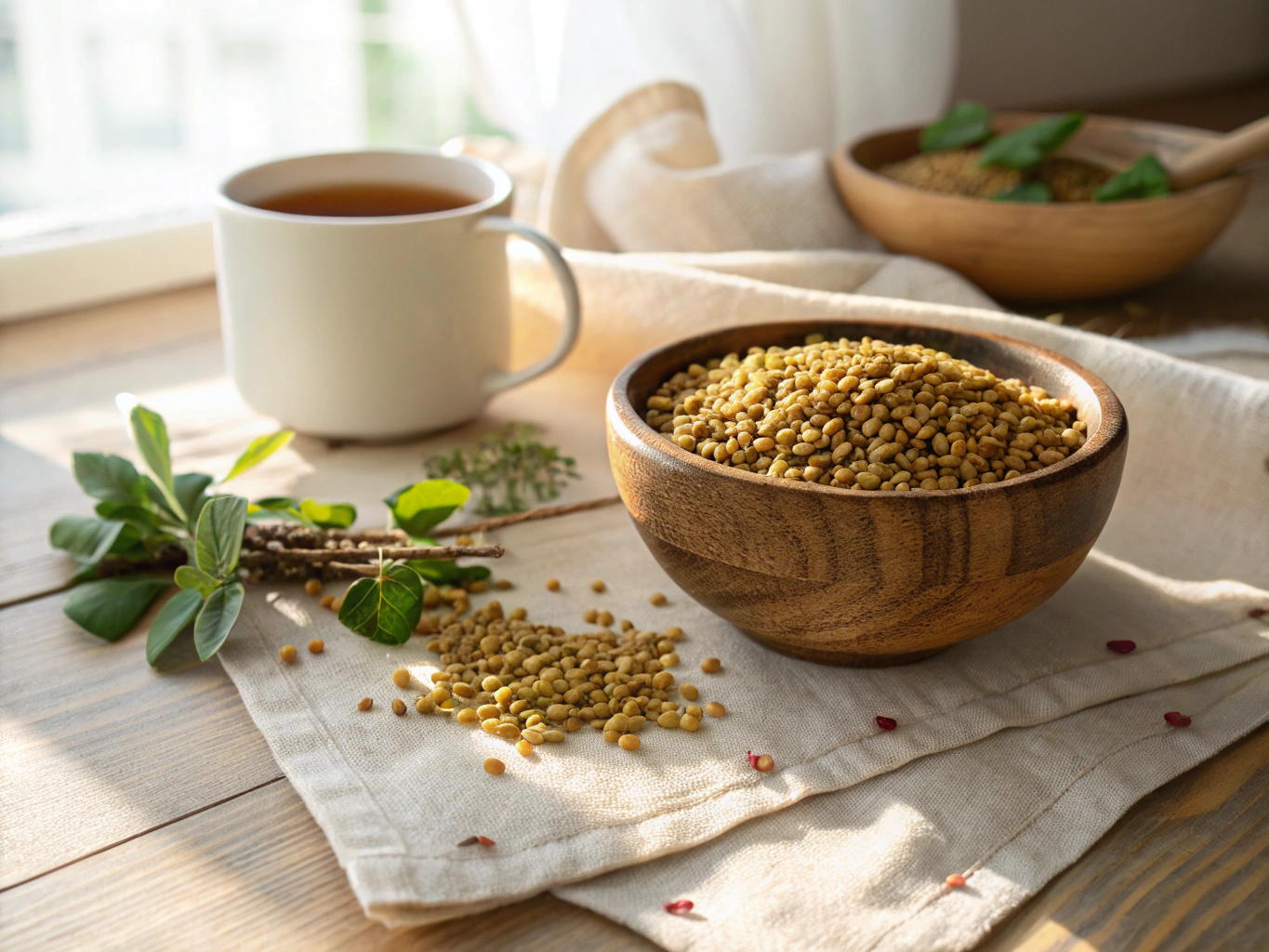
Fenugreek is a plant native to the Mediterranean and Western Asia, traditionally used in cooking and herbal medicine. Its seeds contain compounds that are believed to stimulate sweat production, and since breast milk is primarily made up of water, this effect may translate into increased milk supply. While scientific studies on fenugreek’s effectiveness are limited and results vary, many mothers report positive outcomes when incorporating it into their breastfeeding routine.
Benefits of Using Fenugreek While Breastfeeding
- Natural Milk Supply Support: Fenugreek is often chosen by mothers seeking herbal alternatives to prescription medications.
- Easy to Incorporate: Available in teas, capsules, and tinctures, fenugreek fits into various lifestyles.
- Additional Nutrients: Besides milk production support, fenugreek seeds contain vitamins and minerals like iron, magnesium, and vitamin B6 that contribute to overall health.
What New Moms Should Consider Before Starting Fenugreek
Possible Side Effects and Risks
While fenugreek is generally considered safe for most breastfeeding mothers, it’s important to be aware of potential side effects. These may include:
- Allergic Reactions: Some individuals may experience rash, swelling, or breathing difficulties.
- Gastrointestinal Issues: Diarrhea, gas, or stomach upset can occur in some cases.
- Maple Syrup Odor: Fenugreek can cause a distinctive smell in breast milk and sweat, which may be off-putting to some babies or mothers.
- Blood Sugar Effects: Fenugreek may lower blood sugar levels, so mothers with diabetes or hypoglycemia should consult their healthcare provider before use.
Consultation With Healthcare Providers
Before adding fenugreek or any supplement to your breastfeeding regimen, it’s crucial to discuss it with a lactation consultant, pediatrician, or healthcare professional. They can help you determine if fenugreek is suitable for your individual health profile and breastfeeding goals.
How to Use Fenugreek Safely for Breastfeeding
If you decide to try fenugreek, start with a low dose and monitor your baby’s reaction carefully. Common forms include capsules, teas, and tinctures. Follow product instructions meticulously, and avoid combining fenugreek with other herbal supplements without professional guidance.
Also, remember that fenugreek is just one part of a healthy breastfeeding routine. Maintaining good hydration, balanced nutrition, and frequent nursing or pumping sessions are essential to support milk production naturally.
Where to Find Quality Fenugreek Products
Choosing high-quality fenugreek supplements ensures safety and efficacy. Trusted fenugreek for breastfeeding advice from Mama’s Select offers organic fenugreek products that undergo rigorous quality control, making them a reliable choice for new moms.
Final Thoughts
Fenugreek can be a helpful herbal aid for increasing breast milk supply, but it’s not a guaranteed solution for everyone. Understanding its benefits, risks, and proper usage can empower new mothers to make informed decisions. Always seek professional advice and listen to your body and baby’s responses when incorporating fenugreek into your breastfeeding journey.
Breastfeeding is a unique experience for every mom and baby, and supporting it with safe, effective methods helps build a strong foundation for your little one’s health and happiness.
Leave a Reply