The Science Behind Low FODMAP Diets and Salad Dressings
For many people struggling with digestive discomfort, the Low FODMAP diet offers a scientifically supported pathway to relief. This diet focuses on reducing specific types of fermentable carbohydrates that can trigger symptoms like bloating, gas, and abdominal pain. One often overlooked aspect of this diet is the role of salad dressings, which can either support digestive health or exacerbate symptoms depending on their ingredients. For those looking to enjoy flavorful meals without digestive distress, Gourmend Foods provides excellent resources and options for tasty, compliant low FODMAP salad dressings.
Understanding the Low FODMAP Diet
FODMAPs are a group of short-chain carbohydrates that are poorly absorbed in the small intestine and rapidly fermented by gut bacteria. The acronym stands for Fermentable Oligosaccharides, Disaccharides, Monosaccharides And Polyols. These compounds include fructans, galacto-oligosaccharides (GOS), lactose, fructose in excess, and sugar alcohols like sorbitol and mannitol.
When consumed in large amounts, FODMAPs can draw water into the intestine and ferment in the colon, producing gas and causing symptoms in sensitive individuals, especially those with irritable bowel syndrome (IBS). The Low FODMAP diet, developed by researchers at Monash University, involves an elimination phase followed by reintroduction to identify individual triggers.
Why Salad Dressings Matter on a Low FODMAP Diet
Salad dressings are often made with ingredients that may contain high FODMAP components such as garlic, onion, honey, or certain vinegars. Even small amounts of these ingredients can trigger symptoms in sensitive individuals. Choosing or making a low FODMAP salad dressing ensures that you can enjoy nutrient-rich salads without compromising digestive comfort.
Moreover, salad dressings can be a source of healthy fats and flavor, which enhance nutrient absorption and meal satisfaction. For example, olive oil-based dressings provide anti-inflammatory benefits and support gut health. However, it’s essential that the other ingredients in the dressing comply with low FODMAP guidelines to avoid unintended digestive issues.
The Science of Low FODMAP Salad Dressings
Scientists and dietitians emphasize the importance of ingredient transparency and portion control when it comes to low FODMAP food products, including salad dressings. Ingredients like garlic and onion are high in fructans, a type of FODMAP that is particularly problematic. To address this, many commercial low FODMAP salad dressings replace these with garlic-infused oils, which impart flavor without the fermentable carbohydrates.
Research has shown that the fructans in garlic and onion are water-soluble and do not leach into oil. Thus, garlic-infused oils are tolerated by most people on a low FODMAP diet because the FODMAPs remain in the solid parts that are strained out. This ingenious substitution allows for bold flavors without triggering symptoms.
Choosing or Making Your Own Low FODMAP Salad Dressing
When selecting store-bought low FODMAP salad dressings, look for products that clearly list ingredients and have been tested or certified for FODMAP content. Many brands, including those featured on Gourmend Foods, offer compliant options that make it easy to stay on track.
If you prefer making your own, focus on using low FODMAP ingredients such as:
- Garlic-infused olive oil
- Fresh herbs like basil, parsley, or oregano
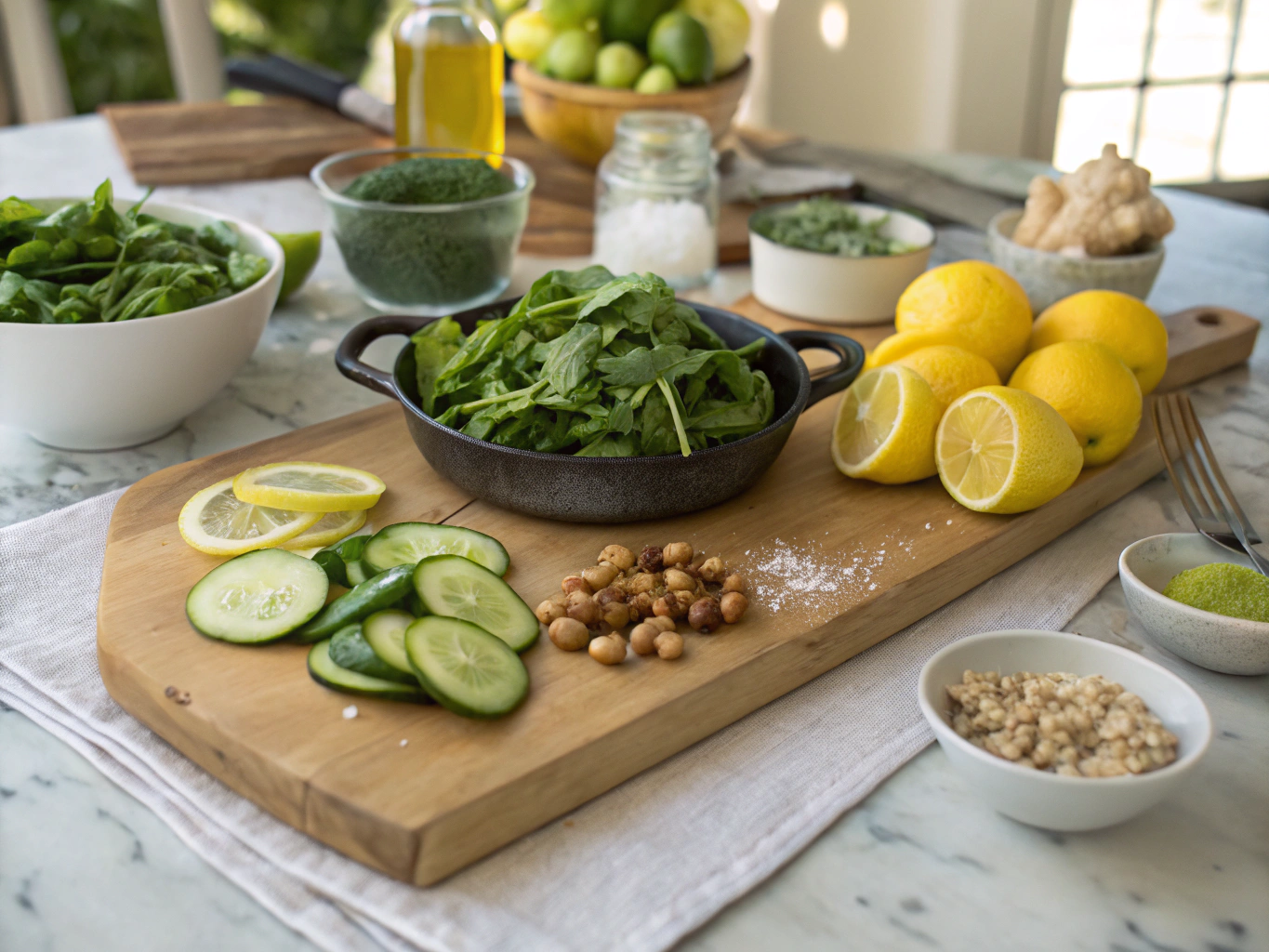
- Lemon juice or vinegar alternatives like rice vinegar
- Mustard (check ingredients for high FODMAP additives)
- Maple syrup or brown sugar in small amounts
Combining these ingredients can yield delicious dressings that enhance your salads while keeping your gut happy.
Conclusion
The Low FODMAP diet is a powerful tool for managing digestive symptoms, and understanding the science behind it helps in making informed food choices. Salad dressings, though seemingly minor, play a significant role in either supporting or sabotaging digestive health on this diet. By opting for low FODMAP salad dressings—whether store-bought from reliable sources like Gourmend Foods or homemade—you can enjoy flavorful meals without the discomfort. Embracing the science behind ingredient selection empowers you to maintain a balanced, enjoyable diet that nurtures your digestive system.
Leave a Reply